
How to Research Match Conditions for Fantasy Sports: 2026 Beginner Guide

A player can have excellent recent statistics.

Their current role may appear stable. Their participation looks likely, and their previous fantasy scores are impressive.

Does that mean your research is complete?

Not necessarily.

Every real sporting event takes place within a specific context.

The opponent changes. The venue may be different. Weather can affect some outdoor sports. Playing surfaces vary. Team lineups change, and tactical decisions can alter how athletes are used.

These factors are commonly described as match conditions or match context.

Learning how to research match conditions for fantasy sports can help beginners understand the environment surrounding an upcoming event.

The objective is not to find a secret condition that guarantees fantasy points.

No venue statistic, weather forecast, or historical matchup record can tell you exactly what an athlete will do.

Sports remain unpredictable.

Match-condition research has a simpler purpose: adding context to player analysis.

Instead of asking only, “How has this player performed recently?” you also ask, “What is different about the upcoming event?”

That question can make fantasy research more complete.

This guide explains a simple process for researching venue information, weather, playing conditions, opponents, team news, and other relevant sporting factors in 2026.

What Are Match Conditions in Fantasy Sports?

Match conditions are the circumstances surrounding a real sporting event that may provide context for player and team performance.

The relevant conditions depend on the sport.

For an outdoor event, weather may deserve attention.

The playing surface can be relevant in certain sports.

Venue characteristics may create different sporting environments.

The opponent’s current team structure and tactical approach can also affect the context of the event.

Match conditions may include factors such as:

  • Venue
  • Playing surface
  • Weather
  • Opponent
  • Home or away context
  • Team lineup
  • Player availability
  • Tactical changes
  • Schedule and rest
  • Current sporting format

Not every factor is equally important for every sport.

A beginner’s goal should not be to collect every available piece of information.

The better approach is to identify conditions that have a logical connection to the sport, player role, fantasy scoring system, and strategies associated with play gold 365.

Why Do Match Conditions Matter in Fantasy Sports?

Historical statistics describe previous sporting events.

Fantasy team selection concerns an upcoming event.

The conditions may not be identical.

Imagine a player has produced strong recent fantasy performances.

During those events, the athlete had a particular role.

Now the upcoming matchup takes place under different sporting circumstances.

Perhaps the opponent uses a different tactical approach.

Maybe the player’s team has changed its lineup.

A teammate’s absence could alter responsibilities.

In some outdoor sports, weather or playing conditions may also create a different environment.

None of these factors automatically predicts the player’s fantasy score.

They simply provide additional information.

Match-condition research helps you understand whether the assumptions behind your player analysis still make sense for the upcoming event.

1. Start With the Fantasy Scoring Rules

Before researching conditions, review the fantasy scoring system.

This may seem unrelated to venue or weather analysis.

It is actually an important first step.

The scoring rules tell you which real-world sporting actions produce fantasy points.

Once you understand the relevant scoring categories, you can investigate conditions that may provide useful context for those actions.

For example, if your fantasy game rewards specific player contributions, research the player’s current role and the sporting conditions connected to those opportunities.

Do not collect weather statistics simply because a forecast is available.

Do not study venue records without understanding why the venue might matter.

Every piece of match research should answer a relevant question.

How does this information help me understand the sporting event or the player’s current opportunities?

If you cannot answer that question, the data may not be important to your fantasy analysis.

2. Identify the Venue

The venue is a simple starting point.

Confirm where the sporting event will take place.

Then research the characteristics that are relevant to the sport.

Different sports interact with venues in different ways.

In cricket, pitch and ground information can provide sporting context.

Football venues may differ in surface, environment, and home-team context.

Baseball parks have physical characteristics that can be relevant to statistical analysis.

Indoor sports may reduce the importance of weather but still involve home and away environments.

Avoid making broad assumptions.

“Player A is good at this venue” is not a complete analysis.

Ask why the venue is being considered.

Then review the actual evidence.

Venue research should begin with a sporting reason rather than a superstition about a particular location.

3. Review Historical Venue Statistics Carefully

Historical venue data can be useful.

It can also be misleading when used without context.

Suppose a player has an excellent fantasy or real-world performance record at a particular venue.

Before reaching a conclusion, check the sample size.

How many events are included?

Two?

Five?

Twenty?

A statistic based on two performances should be interpreted differently from a larger historical sample.

Also check when those events occurred.

A player’s role may have changed.

The real team may use different tactics.

The opposition could be different.

Even the venue’s sporting characteristics may have changed over time.

Historical venue statistics describe what happened previously.

They do not guarantee a repeat performance.

Use them as background information and combine them with current player analysis.

4. Understand the Playing Surface

The importance of the playing surface depends heavily on the sport.

In some sports, surface characteristics can provide meaningful sporting context.

Before using surface information in fantasy research, learn the basic terminology of the sport.

Do not simply copy a description from an online prediction.

If someone describes a surface as “fast,””slow,””dry,” or uses another sport-specific term, understand what that description means.

Then ask how the condition may connect to player roles.

Be cautious with early reports.

Conditions can change.

A forecast about a playing surface is different from confirmed information closer to the event.

Fantasy research improves when you separate:

Confirmed information

from

Expected conditions

and

Unverified speculation

These categories should not receive equal weight in your analysis.

5. Check the Weather for Outdoor Sports

Weather can be relevant to outdoor sporting events.

The importance and effect depend on the sport.

Possible weather information may include temperature, rain, wind, and other environmental conditions.

However, beginners should avoid turning a weather forecast into a fantasy prediction.

A forecast tells you about expected weather.

It does not tell you which player will produce the most fantasy points.

Weather forecasts can also change.

Check when the forecast was published or updated.

If weather is relevant to the sporting event, review current information closer to the event time where practical.

Use weather as context.

For example, ask whether the conditions could affect the event schedule, playing environment, or team decisions.

Do not make unsupported claims such as “this weather guarantees a high-scoring match.”

Sporting outcomes are influenced by many factors.

6. Understand the Difference Between Weather and Sporting Impact

This distinction is important.

Knowing that rain is forecast is weather information.

Explaining how rain may affect a specific sport requires sporting knowledge and context.

The same applies to wind, temperature, and other environmental conditions.

Beginners sometimes jump directly from a forecast to a fantasy conclusion.

For example:

“Wind is expected, so Player A will definitely perform poorly.”

That is an unsupported prediction.

A better research process asks:

Is this condition normally relevant to the sport?

How could it affect the event?

Does the player’s current role have a logical connection to that possible effect?

Is there reliable sporting analysis supporting the interpretation?

Even after answering these questions, avoid certainty.

Weather is one contextual factor.

It is not a fantasy-point calculator.

7. Research the Upcoming Opponent

The opponent is one of the most obvious differences between sporting events.

A player may have strong recent statistics against one group of teams.

The upcoming opponent may present a different sporting challenge.

Research the current opponent rather than relying entirely on the team’s reputation.

Teams change throughout a season.

Players become unavailable.

Tactical approaches can develop.

Recent team performance may differ from older historical records.

When researching the opponent, focus on information relevant to the player’s role.

Ask:

How does the opponent currently play?

Has its lineup recently changed?

Are there important availability updates?

Does the opponent create a different sporting context from the player’s recent events?

The objective is not to label the opponent as simply “easy” or “difficult.”

Real matchups are more complicated.

Try to understand the specific context.

8. Avoid Oversimplifying “Easy” and “Hard” Matchups

Fantasy discussions often describe opponents as easy or difficult.

These labels can hide important details.

A team may perform strongly in one area and less effectively in another.

The relevance can depend on the player’s position and role.

A matchup considered difficult for one athlete may create a different context for another player.

Instead of using a general label, ask a more specific question:

Why is this matchup relevant to the player I am researching?

Look at current information.

Consider the player’s real-world responsibilities.

Review the fantasy scoring categories connected to those responsibilities.

This approach takes more time than simply reading an opponent ranking.

However, it can help you avoid making the same matchup assumption for every player in your lineup.

9. Be Careful With Head-to-Head Player Statistics

A player has performed exceptionally well against an opponent in the past.

This type of statistic receives a lot of attention in fantasy discussions.

Head-to-head data can provide historical context.

It should be examined carefully.

First, check the sample size.

A strong record based on two events is a limited sample.

Next, check the dates.

Were the performances recent?

Then examine the player’s role.

Was the athlete used in the same way?

Finally, consider the opponent.

Has its team structure changed?

A historical head-to-head record does not create a special guarantee about the next event.

The player still needs to perform in the upcoming real-world competition.

Use historical records as one piece of research rather than the complete selection reason.

10. Check Home and Away Context

Home and away performance can be relevant in some sports.

However, these statistics need the same careful analysis as venue records.

Suppose a player has significantly better historical numbers at home.

Ask why.

How large is the sample?

Does the difference appear across multiple seasons?

Has the player’s role remained similar?

Are there other factors affecting the statistics?

Do not assume that playing at home automatically creates a strong fantasy performance.

Likewise, do not reject a player simply because the event is away.

Home and away data can identify a pattern worth investigating.

The pattern itself is not a prediction.

Fantasy research should focus on understanding the available information and its limitations.

11. Review Current Team News

Match conditions are not limited to the physical environment.

Team news can significantly change the sporting context.

A player’s teammate may become unavailable.

A regular starter could return.

The coach may adjust the lineup.

A squad announcement could reveal an unexpected change.

These updates can affect player roles and opportunities.

When reviewing team news, do not only ask whether your selected athlete is available.

Look at the wider team.

Could another player’s absence change your athlete’s responsibilities?

Could a returning teammate reduce their recent involvement?

Has the team used a different structure under similar circumstances?

Team news can provide current information that older player statistics do not contain.

That makes it an important part of pre-event fantasy research.

12. Separate Confirmed Team News From Rumors

Sporting rumors spread quickly online.

Before major events, social media accounts may publish predicted teams, possible injuries, or supposed inside information.

Some reports may be accurate.

Others may not be.

Beginners should learn to classify information.

Confirmed information comes from reliable official or clearly attributable sporting sources.

Reported information may come from established journalism but has not necessarily been officially confirmed.

Speculation is an opinion or prediction.

These categories are not identical.

Before changing an important fantasy selection, check the original source of the claim.

Has a team actually announced the information?

Is a reliable reporter clearly describing a current update?

Or are several accounts repeating the same unsupported rumor?

Source checking can prevent unnecessary lineup changes.

13. Understand How Team Changes Affect Player Roles

A team change can create a chain reaction.

Suppose Player A becomes unavailable.

The immediate fantasy question is whether Player A should remain in your virtual lineup.

But there may be a second question.

How does Player A’s absence affect the other athletes?

Another player may receive additional playing time.

Someone could move into a different position.

Responsibilities may be redistributed.

A replacement player could enter the lineup.

The exact effects depend on the sport and team.

Do not automatically assume that one player’s absence benefits a specific teammate.

Research how the real team has responded to similar situations where current information is available.

Team changes are useful because they can explain why historical player roles may need to be reevaluated.

14. Check the Sporting Format

The same sport can use different competition formats.

The format may affect the structure, duration, pace, or tactical approach of the sporting event.

Fantasy scoring rules can also differ between game formats.

Before using historical statistics, confirm that the data is relevant.

A player’s performance in one sporting format may not be directly comparable with another.

This is particularly important when statistics are displayed without clear filters.

Ask:

Which competition does this data cover?

Is the sporting format the same?

Are the fantasy scoring rules identical?

Does the player’s role change between formats?

Using the wrong statistical context can create misleading player comparisons.

Always match the research data with the upcoming event as closely as practical.

15. Consider Schedule and Rest

Sports teams can experience busy schedules.

The relevance of rest varies by competition and sport.

A player may have participated in several recent events.

A team could face multiple fixtures within a short period.

This information may create questions about rotation or playing time.

Avoid automatically assuming that a busy schedule means a particular player will be rested.

Team decisions depend on coaches, competition priorities, player condition, and other factors.

Instead, check current team information.

Review recent participation.

Look for reliable statements where available.

Schedule analysis should identify possible questions for further research.

It should not be used to invent confirmed lineup decisions before the team announces them.

16. Study Recent Team Structure

Player analysis often focuses entirely on individuals.

However, a player’s opportunities exist within a real team.

Review the team’s recent structure.

Has the starting lineup remained stable?

Have tactical changes occurred?

Are players moving between roles?

Has a new athlete entered the team?

A player may have strong season-long fantasy statistics but a different current role because the team’s structure changed recently.

This is why current context matters.

You do not need to become a professional tactical analyst.

Start with simple observations.

Compare recent lineups.

Check player participation.

Read reliable sporting reports.

Identify clear role changes.

These basic steps can provide useful context for fantasy player research.

17. Do Not Let Conditions Override Basic Player Research

Match-condition analysis can become excessive.

A beginner reads a weather report, venue statistic, and historical opponent record.

The conditions appear interesting.

They select a player despite uncertain participation and an unclear current role.

This reverses the research priorities.

Conditions should support player analysis.

They should not replace it.

Start with:

Scoring rules.

Expected participation.

Current role.

Recent performance pattern.

Playing opportunities.

Then add match conditions.

A historical venue statistic is less useful if you have not checked whether the athlete is expected to participate.

A favorable matchup label cannot explain a player’s current responsibilities.

Keep the basic player research process in place.

Use conditions as an additional layer.

18. Avoid Searching for a “Perfect Condition”

Beginners sometimes look for a combination of statistics that creates certainty.

The player has strong venue numbers.

The opponent appears favorable.

The weather looks suitable.

Recent form is positive.

The user concludes that a major fantasy performance is guaranteed.

It is not.

Real sport contains uncertainty.

Even when several historical and current factors appear favorable, the athlete may have a quiet performance.

Unexpected sporting events can change the match.

The purpose of fantasy research is not to remove uncertainty.

Match conditions help you understand the context in which the sporting event will take place.

Use the information to compare players and review your assumptions.

Do not turn contextual research into a guarantee.

19. Create a Simple Match Conditions Note

You do not need a complicated analytics dashboard.

Create a short match note.

For example:

Condition Research Note
Venue Current venue confirmed
Surface Check sport-specific current information
Weather Review if relevant to the outdoor event
Opponent Study current team structure
Team news Check availability and lineup updates
Player roles Review recent changes
Format Confirm statistics match the competition type

Complete the note before finalizing your fantasy research.

Do not write a prediction beside every condition.

Record facts and clearly identified uncertainty.

This can help separate what you know from what you expect.

20. Update Match Research Before the Fantasy Deadline

Conditions can change.

Weather forecasts are updated.

Player availability information becomes clearer.

Official lineups may be announced.

Team news can develop.

If the fantasy format allows lineup changes before a deadline, review important current information where appropriate.

Do not restart your complete research process every few minutes.

Focus on meaningful updates.

Ask:

Has player participation changed?

Has the expected role changed?

Has important team news appeared?

Has a relevant condition changed significantly?

If the answer is no, unnecessary lineup adjustments may not be required.

A final information check should improve your research, not create panic.

A Simple Match Conditions Research Framework

Beginners can use the V-W-O-T-R framework.

V — Venue: Where is the event taking place, and which venue characteristics are relevant to the sport?

W — Weather: Is weather relevant, and what does current reliable information show?

O — Opponent: What is the opponent’s current sporting context?

T — Team news: Have availability or lineup changes affected player roles?

R — Role: Does the selected player’s current responsibility remain consistent with your original analysis?

After completing these five checks, review the sporting format and any relevant schedule information.

The framework does not predict fantasy scores.

It helps organize match-context research.

Common Match Condition Research Mistakes

One common mistake is treating a weather forecast as a guaranteed sporting outcome.

Another is selecting players entirely from historical venue records.

Beginners may use head-to-head statistics without checking sample sizes.

Some users rely on outdated descriptions of teams and ignore current lineup changes.

Unverified rumors can also lead to unnecessary fantasy adjustments.

Another problem is allowing detailed match-condition research to replace basic player analysis.

Conditions should add context.

The player’s expected participation, current role, and connection to fantasy scoring remain essential parts of the research process.

Fantasy Match Conditions Checklist

Before confirming your fantasy lineup, ask:

  • Have I checked the correct sporting event and format?
  • Do I know the venue?
  • Are venue characteristics relevant to this sport?
  • Have I checked the sample behind historical venue statistics?
  • Is the playing surface relevant?
  • Am I using current surface information?
  • Is weather relevant to the event?
  • Have I checked when the weather forecast was updated?
  • Am I treating weather as context rather than a guarantee?
  • Have I researched the current opponent?
  • Am I oversimplifying the matchup as easy or difficult?
  • Have I checked head-to-head sample sizes?
  • Is home or away context relevant?
  • Have I reviewed current team news?
  • Can I separate confirmed information from speculation?
  • Have team changes affected player roles?
  • Is schedule or rest relevant?
  • Have I completed basic player research first?
  • Am I searching for certainty where none exists?
  • Did I review meaningful updates before the deadline?
  • You do not need every condition to produce a clear conclusion.

Sometimes the correct research result is simply that uncertainty remains.

Responsible Fantasy Sports Participation

Fantasy sports should be treated as entertainment and a way to engage with sporting statistics and virtual team-building concepts.

Users should follow platform age requirements and applicable local rules.

For younger sports fans, free-to-play, hypothetical, and educational fantasy formats are appropriate ways to learn about venue analysis, weather context, player roles, and sporting statistics without paid contest participation.

Match-condition research cannot guarantee fantasy results.

Weather, venue records, historical matchups, and team information can provide context, but real sporting performances remain unpredictable.

Be cautious of content claiming that a particular condition creates a guaranteed player performance or certain fantasy result.

Final Thoughts

Learning how to research match conditions for fantasy sports is about understanding context.

Start by identifying the venue and checking which venue characteristics actually matter for the sport.

Review historical statistics carefully and always consider sample size.

If the playing surface is relevant, understand the terminology before using condition reports in player analysis.

For outdoor sports, check current weather information when it has a logical connection to the sporting event.

Remember that a weather forecast is not a fantasy prediction.

Research the current opponent rather than relying only on reputation.

Avoid oversimplifying matchups as easy or difficult.

When using head-to-head statistics, check the number and dates of previous events.

Review current team news and separate confirmed information from rumors.

Most importantly, understand whether team changes affect the current roles of your selected players.

Match conditions should never replace basic player research.

Scoring rules, participation, current roles, and playing opportunities remain essential.

Conditions add another layer of information.

They help you ask whether the upcoming sporting environment is different from the events that produced a player’s previous statistics.

No amount of venue, weather, or matchup analysis can guarantee a fantasy outcome.

Sport remains unpredictable.

Use match conditions to understand the event.

Use current information to review your assumptions.

Then make your virtual lineup decisions for reasons you can clearly explain.

Frequently Asked Questions

What are match conditions in fantasy sports?

Match conditions are contextual factors surrounding a real sporting event, such as venue, playing surface, weather, opponent, team news, player availability, and current team structure.

How do I research match conditions for fantasy sports?

Confirm the venue and sporting format, check relevant playing conditions and weather, research the current opponent, review reliable team news, and understand whether recent changes affect player roles.

Does weather affect fantasy sports?

Weather can provide relevant context for some outdoor sporting events. Its importance depends on the sport and conditions, and a weather forecast cannot guarantee a particular fantasy result.

Are venue statistics important for fantasy sports?

Venue statistics can provide historical context, but users should check sample size, dates, player roles, and current conditions before using them in fantasy research.

Should I use head-to-head statistics when selecting fantasy players?

Head-to-head statistics can be reviewed as background information. Check the sample size and current player and team context rather than treating historical records as predictions.

Can match-condition research guarantee better fantasy results?

No. Match-condition research can improve the structure and context of fantasy analysis, but real sporting performances and fantasy outcomes remain unpredictable.

Fantasy Sports Strategy for Beginners: A Simple 2026 Guide to Smarter Decisions

Starting fantasy sports is easy. Developing a clear strategy is where many beginners struggle.

You can open a fantasy game, select a sporting event, choose players, complete a virtual lineup, and follow the fantasy points. The basic process may take only a few minutes.

But after several games, questions usually begin to appear.

Why did one player score more fantasy points than another? Should recent form matter more than season statistics? How should you compare two players in the same position? When is team news important? What makes someone a reasonable captain option?

Beginners often search for one perfect fantasy sports strategy that answers every question.

Such a strategy does not exist.

Fantasy sports are linked to real sporting performances, and real sport is unpredictable. No research method can guarantee that a player will score a particular number of fantasy points.

A practical beginner strategy has a different purpose.

It helps you organize your research, compare players consistently, and make virtual team decisions for clear reasons.

Instead of randomly changing your approach before every event, you follow a simple process and gradually improve it.

This guide explains a beginner-friendly fantasy sports strategy for 2026, with simple tips and insights for those exploring play gold 365 and fantasy sports platforms.

What Is a Fantasy Sports Strategy?

A fantasy sports strategy is a structured process used to research players and create a virtual lineup.

Strategy does not mean predicting every result correctly.

It means deciding how you will make decisions.

For example, a beginner without a strategy might select players because their names are familiar. They may copy a lineup from social media, change several players just before the deadline, and choose a captain based on the previous match.

A user with a structured process may first read the scoring rules. They then check player participation, study recent form, understand player roles, and compare close selections.

Both users can still experience unexpected fantasy results.

The difference is that the second user has a process that can be reviewed.

A useful fantasy strategy should answer three questions:

What information will I check?

How will I compare players?

How will I review my decisions later?

For beginners, keeping the strategy simple is usually better than trying to use dozens of advanced statistics.

Step 1: Understand the Scoring System

Every beginner fantasy strategy should begin with scoring.

Before studying players, understand which real-world sporting actions generate fantasy points.

The exact scoring categories depend on the sport and fantasy game.

Fantasy cricket may consider eligible batting, bowling, and fielding statistics.

Fantasy football games can include goals, assists, defensive contributions, and other actions defined by their rules.

Basketball fantasy scoring may use points, rebounds, assists, steals, blocks, and additional categories.

The values can differ between fantasy games.

This means a player who appears attractive under one scoring system may have a different fantasy profile under another.

Read the current scoring rules and identify four things:

  • Positive scoring actions
  • Bonus point conditions
  • Fantasy point deductions
  • Captain or multiplier rules

Once you understand these areas, player research becomes more focused.

Your fantasy strategy should fit the scoring system rather than treating all fantasy games as identical.

Step 2: Learn the Roster Rules

Before creating a team, understand the lineup requirements.

Fantasy games may require a specific number of athletes from different positions or player categories.

Some formats use a virtual credit budget.

Others may use drafts or different roster-building systems.

Check how many players you need.

Understand the required positions.

Review any team-selection limits.

If virtual credits are used, learn how the budget works.

Beginners sometimes spend significant time researching players and then discover that their preferred lineup does not meet the roster requirements.

Learning the team-building rules first prevents unnecessary confusion.

Your strategy should always operate within the structure of the fantasy game.

Step 3: Create a Player Shortlist

Do not immediately add every interesting player to your final fantasy lineup.

Create a shortlist first.

A shortlist is simply a smaller group of athletes you want to research more carefully.

Imagine a fantasy game displays 50 available players.

Trying to analyze all 50 in equal detail can take a long time.

Instead, identify players based on basic factors such as expected participation, recent involvement, current role, and relevance to the fantasy scoring system.

Your initial shortlist does not need to be perfect.

The purpose is to reduce the number of players you need to compare.

You can then research those athletes in greater detail.

This makes fantasy team selection more organized and helps beginners avoid information overload.

Step 4: Check Expected Player Participation

Before studying advanced performance statistics, check whether the player is expected to participate.

This sounds simple, but it is an important fantasy strategy.

A player’s historical record cannot generate fantasy points in the upcoming event if the athlete does not participate under the game’s rules.

Check current sporting information where available.

Depending on the sport, this may include:

  • Squad announcements
  • Injury reports
  • Suspensions
  • Starting lineups
  • Playing teams
  • Availability updates

Use reliable and current information.

Be careful with rumors presented as confirmed news.

If an athlete’s status remains uncertain, include that uncertainty in your evaluation.

Do not automatically assume that a player will have the same participation or role as in the previous event.

Step 5: Study Recent Form Properly

Recent form is useful, but beginners often use it incorrectly.

Looking only at the previous match is not a complete form analysis.

Review several recent performances and search for patterns.

For example, imagine a fictional player’s recent fantasy scores are:

45, 41, 48, 43, and 47.

Another player’s scores are:

15, 18, 120, 12, and 20.

The second player has the highest individual score.

However, the first player has produced a more stable recent scoring pattern.

This does not prove that the first athlete will score more points next.

It simply shows that the two players have different recent performance profiles.

Ask why the scores look the way they do.

Has the player’s role changed?

Has playing time increased?

Was one performance unusually large?

Were bonus points involved?

A good beginner fantasy strategy uses recent form as evidence, not as a prediction guarantee.

Step 6: Understand Player Roles

One of the most useful fantasy sports habits is learning what each player actually does for their real team.

Do not stop at the player’s listed position.

Two athletes in the same broad position can have different responsibilities.

In cricket, batting order and bowling involvement can affect opportunities.

In football, one midfielder may have a more attacking role while another has deeper tactical responsibilities.

In basketball, players may receive different minutes and on-court responsibilities.

Roles also change.

An injury to a teammate, tactical adjustment, coaching decision, or lineup change can create new opportunities.

When analyzing a player, ask:

What is this player’s current role?

Then ask:

How does that role connect to the fantasy scoring system?

This relationship between role and scoring is a key part of fantasy strategy.

Step 7: Focus on Opportunity

Past fantasy points show what has already happened.

Opportunity helps you understand the player’s current situation.

Opportunity means different things in different sports.

It could relate to minutes played, batting position, bowling involvement, attacking responsibilities, or another role-specific factor.

Suppose a player’s recent fantasy scores are modest.

You notice that their playing opportunities have recently increased.

That information may deserve further research.

The opposite situation is also possible.

A player may have strong season statistics but a recently reduced role.

Historical totals alone may not fully describe their current situation.

Opportunity does not guarantee fantasy production.

It simply helps explain how frequently a player may be involved in actions connected to the scoring system.

Step 8: Compare Players Using the Same Framework

Beginners often compare players inconsistently.

Player A is selected because of recent form.

Player B is selected because they are famous.

Player C is chosen because someone recommended them online.

This makes the final lineup difficult to evaluate.

Instead, compare similar players using the same factors.

Factor Player A Player B
Expected participation Regular Uncertain
Recent form Stable Mixed
Current role Clear Changing
Playing opportunities Consistent Variable
Scoring system fit Strong Moderate
Matchup context Neutral Favorable

The table does not predict which athlete will perform better.

It gives you a consistent comparison process.

Your final choice may still involve uncertainty.

That is normal.

The objective is to understand why you prefer one player over another.

Step 9: Analyze the Upcoming Matchup

Fantasy sports strategy should consider the upcoming sporting event rather than focusing entirely on previous results.

Review the opponent.

Consider the sporting context.

Different teams may create different challenges.

A football player facing one defensive system may experience a different match from a player facing another.

In cricket, opposition and expected match conditions can provide useful context.

Basketball matchups may be considered alongside playing time and player responsibilities.

Avoid turning historical matchup statistics into guaranteed predictions.

A player performing well against an opponent three years ago does not automatically mean the same result will occur now.

Teams change.

Players change.

Roles and tactics change.

Use matchup information as one part of your research.

Step 10: Consider Venue and Conditions

Depending on the sport, venue and environmental conditions may be relevant.

Outdoor sporting events can sometimes be influenced by weather.

Playing surfaces, stadium characteristics, altitude, and home or away context may also provide information.

The importance of these factors differs between sports.

Do not overreact to one venue statistic.

Suppose an athlete has an excellent historical record at a stadium.

Check the sample size.

Did the player compete there two times or twenty times?

Were those performances recent?

Was their role similar?

Venue information should add context to your player research.

It should not replace the rest of your analysis.

Step 11: Build the Core of Your Fantasy Team

Once you have completed basic player research, begin constructing the lineup.

Start with players whose roles and participation you understand clearly.

These selections form the core of your virtual team.

A “core” does not mean guaranteed fantasy scorers.

It simply refers to players who have passed your basic evaluation process.

You understand why they are being considered.

You have checked expected participation.

Their current roles are reasonably clear based on available information.

You understand how their sporting contributions connect to fantasy scoring.

Building around researched selections can make the remaining lineup decisions easier.

Avoid starting with a list of famous athletes and trying to force everyone into the virtual budget.

Build the complete team logically.

Step 12: Manage Virtual Credits as a Team

If your fantasy format uses virtual credits, do not evaluate player cost in isolation.

Every selection affects the rest of the lineup.

Imagine one high-credit athlete uses a large portion of your available virtual budget.

The player may still be a reasonable selection.

However, examine what happens to the remaining positions.

Are you forced to select several players with uncertain participation?

Does the complete lineup become unbalanced?

Now compare an alternative team structure.

Perhaps choosing a different athlete gives you more flexibility elsewhere.

There is no universal rule that says expensive players are good or bad selections.

The important strategy is considering the effect of every credit decision on the full fantasy team.

Step 13: Avoid Building a Team From Reputation Alone

Star players are easy to select.

Their names are familiar and their best performances are memorable.

However, fantasy team strategy should focus on current information.

A famous player should still be evaluated for participation, recent form, current role, and scoring-system suitability.

Do not automatically remove star players either.

The objective is not to build an unusual team.

It is to build a researched team.

Ask yourself:

Would I still select this player if I ignored their name and looked only at the current information?

The answer can reveal whether reputation is influencing your decision too heavily.

Fantasy strategy becomes stronger when every important selection has a clear reason.

Step 14: Create a Captain Shortlist

If the fantasy game uses captain and vice-captain multipliers, do not wait until the final seconds to make these selections.

Create a small captain shortlist during your research.

Check the specific game’s multiplier rules first.

Then compare potential captain options.

Consider participation certainty, recent performance patterns, current role, and fantasy scoring opportunities.

A player who scored the most fantasy points in the previous match is not automatically the best captain choice for the next event.

Likewise, selecting an unusual captain only because the choice is different is not a complete strategy.

Your captain decision should have a logical reason.

Write down that reason if necessary.

This makes post-event review easier.

Step 15: Check Reliable Team News Before the Deadline

Team news can change fantasy analysis.

A player may become unavailable.

A starting lineup could reveal an unexpected selection.

A teammate’s absence may change another athlete’s role.

If current team information becomes available before the fantasy deadline, review it.

Do not only check whether your selected players are participating.

Consider whether the news changes their expected roles.

For example, a lineup adjustment could create additional responsibilities for another player.

Current information can sometimes be more relevant than older statistics.

Use reliable sporting updates and separate confirmed information from speculation.

Step 16: Make Late Changes Only for a Reason

Deadline pressure causes many beginners to make unnecessary lineup changes.

You may begin questioning a player simply because time is running out.

Then you see a social media prediction and replace them.

Minutes later, another opinion causes another change.

A better strategy is to ask one question before every late adjustment:

What new information has changed my analysis?

A confirmed injury update is new information.

An official lineup announcement is new information.

A meaningful role change may be new information.

Nervousness is not new information.

This does not mean you should never make late changes.

Make them when reliable information affects your original research.

Avoid changing a lineup simply because the deadline feels stressful.

Step 17: Complete a Final Lineup Check

Before confirming the fantasy team, perform a simple final review.

Check the roster requirements.

Review every selected player’s current availability.

Confirm that your virtual credit budget is valid.

Look at captain and vice-captain selections if the game uses them.

Check the lineup deadline.

Review any important team news.

Then ask whether you can explain your main selections.

You do not need a long paragraph for every player.

A simple reason is enough.

For example:

“Regular participation and stable current role.”

“Recent opportunities increased after a team change.”

“Selected after comparing two players using recent form and playing time.”

Clear reasoning makes your fantasy strategy easier to review later.

Step 18: Record Your Important Decisions

A basic fantasy journal can be useful.

You do not need complicated software.

A notebook or simple spreadsheet is enough.

Before the sporting event, record a few important decisions.

Decision Reason
Player A selected Stable role and regular participation
Player B selected over Player C More consistent playing opportunities
Player D chosen as captain Multiple scoring categories and current role

After the event, return to the notes.

Do not change the original reasoning.

Review whether your information was accurate.

Perhaps you misunderstood a player’s role.

Maybe you overlooked an availability concern.

The notes help you learn from your actual decisions rather than from memories influenced by the final result.

Step 19: Review Decisions Without Result Bias

Result bias occurs when you judge a decision entirely by what happened afterward.

Suppose you carefully research a player.

The athlete is expected to participate, has a stable role, and fits the fantasy scoring system.

The player then has a poor match.

It is easy to say the selection was obviously wrong.

But was the original decision unreasonable based on the information available?

Now imagine you randomly select a player without research.

The athlete unexpectedly produces a major performance.

The fantasy result is excellent.

However, the decision-making process may be difficult to repeat.

When reviewing your fantasy strategy, separate the process from the outcome.

Ask:

Did I use reliable information?

Did I understand the player’s role?

Was my comparison logical?

Did I miss an important update?

Sports remain unpredictable.

The purpose of review is to improve your research process, not pretend every sporting outcome could have been predicted.

Step 20: Improve One Fantasy Skill at a Time

Beginners sometimes try to learn everything at once.

Advanced statistics.

Player projections.

Venue analysis.

Matchup models.

Team tactics.

Historical trends.

The amount of information quickly becomes overwhelming.

Instead, improve one skill at a time.

Start by learning the scoring system.

Then become better at checking player participation.

Next, focus on understanding roles.

After that, improve player comparison.

You can gradually introduce more detailed statistics.

This creates a stronger foundation.

Fantasy sports research is easier when each new concept connects to something you already understand.

A simple strategy you consistently follow is more useful than an advanced strategy you cannot explain.

A Simple 30-Minute Fantasy Sports Strategy

Beginners can divide their research into four stages.

First 5 minutes: Review the scoring rules, roster requirements, and available players.

Next 10 minutes: Check expected participation, recent performances, and current player roles.

Next 10 minutes: Compare shortlisted players, study relevant matchup information, and build the virtual lineup.

Final 5 minutes: Review reliable team news, captain choices, roster validity, and important selections.

The exact timing is not important.

Some sporting events require more research. Others may require less.

The benefit of this approach is structure.

Instead of randomly moving between statistics and online opinions, you know what you are trying to check.

Common Beginner Fantasy Strategy Mistakes

One mistake is changing the research method before every event.

Another is selecting players entirely from recent fantasy point totals.

Beginners may also spend too much time on advanced data while ignoring basic participation information.

Copying lineups without understanding the player choices can limit learning.

Choosing players only because they are popular or deliberately avoiding popular athletes simply to be different are both incomplete strategies.

Fantasy strategy should focus on information and reasoning.

The goal is not to create the most unusual team.

The goal is to understand why you selected your virtual lineup.

Fantasy Sports Strategy Checklist for Beginners

Before confirming your fantasy lineup, use this checklist:

  • Have I read the current scoring rules?
  • Do I understand the roster requirements?
  • Have I created a researched player shortlist?
  • Did I check expected participation?
  • Have I reviewed several recent performances?
  • Do I understand each player’s current role?
  • Have I considered playing opportunities?
  • Did I compare close player choices using similar factors?
  • Have I reviewed the upcoming matchup?
  • Are venue or conditions relevant?
  • Did I manage virtual credits across the complete team?
  • Have I researched captain options?
  • Did I check reliable current team news?
  • Are my late changes based on genuine new information?
  • Can I explain my most important selections?

This checklist cannot guarantee a fantasy result.

Its purpose is to reduce rushed and inconsistent decisions.

Responsible Fantasy Sports Participation

Fantasy sports should be treated as entertainment and a way to engage with sporting data and virtual team selection.

Users should follow platform age requirements and applicable local rules.

For younger sports fans, free-to-play, hypothetical, or educational fantasy formats are suitable ways to practice player comparison, scoring analysis, and team-building concepts without paid contest participation.

No fantasy strategy guarantees a win or removes uncertainty from real sport.

Be cautious of claims about “sure wins,” guaranteed teams, or risk-free fantasy methods.

The useful part of fantasy strategy is learning to evaluate information and create a consistent decision-making process.

Final Thoughts

A good fantasy sports strategy for beginners does not need to be complicated.

Start with the scoring system.

Understand the roster rules and create a shortlist of players.

Check expected participation and study recent form across several sporting events.

Learn the current role of each player and consider their opportunities to contribute in fantasy scoring categories.

Compare similar players using the same factors.

Review the upcoming opponent and relevant playing conditions.

Build the complete fantasy lineup with virtual budget requirements in mind.

If captain multipliers are available, research those selections separately.

Before the deadline, check reliable team news and make changes only when meaningful information affects your original analysis.

After the event, review your decisions.

Do not judge every choice entirely by the final fantasy score.

Instead, identify what you understood correctly and what you missed.

Then improve one part of your process.

Fantasy sports are connected to unpredictable real-world performances. No strategy can tell you exactly what will happen next.

A structured process can, however, help you replace random selections with researched decisions.

For a beginner, that is the best place to start.

Frequently Asked Questions

What is the best fantasy sports strategy for beginners?

Beginners should use a simple process based on understanding scoring rules, checking player participation, reviewing recent form, studying current roles, comparing players, and checking reliable team news before confirming a lineup.

Can a fantasy sports strategy guarantee a win?

No. Fantasy sports depend on unpredictable real-world sporting performances. A strategy can improve the structure of player research but cannot guarantee a result.

Should beginners focus on recent form?

Recent form is useful, but it should be combined with participation, playing opportunities, player roles, scoring rules, and current team news.

How should I select fantasy sports players?

Create a shortlist and compare players using consistent factors such as expected participation, recent performance, current role, opportunities, matchup context, and fantasy scoring suitability.

How should beginners choose a fantasy captain?

If the game uses captain multipliers, check the official rules and compare captain options based on participation, current role, recent consistency, and fantasy scoring opportunities.

Should I change my fantasy lineup at the last minute?

Make late changes when meaningful new information, such as reliable availability or lineup news, affects your original analysis. Avoid unnecessary changes based only on nervousness or unverified rumors.

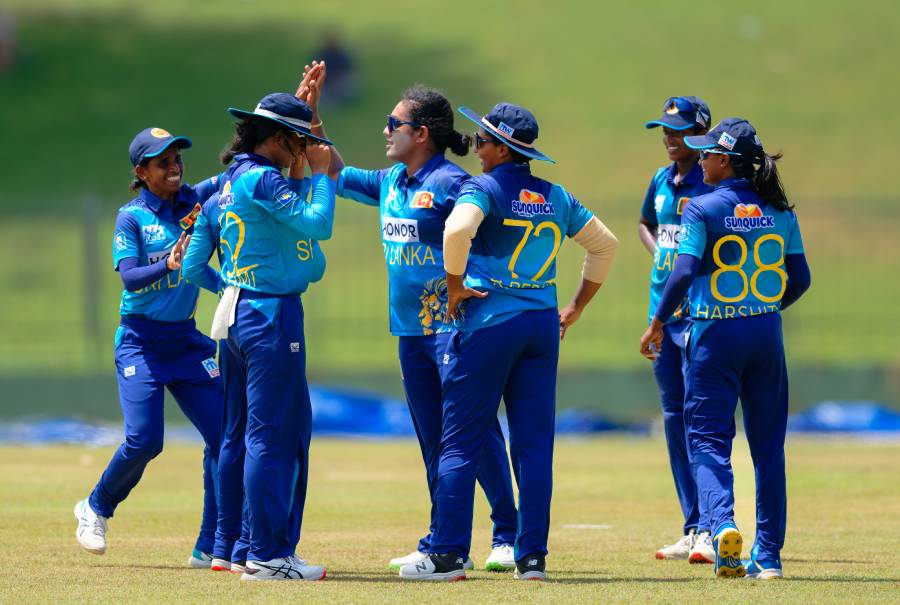
Sri Lanka Women at ICC Women’s T20 World Cup 2026: Squad, Strengths & Predictions

Sri Lanka Women head into the ICC Women’s T20 World Cup 2026 with growing confidence and the belief that they can challenge the tournament’s traditional powerhouses. Over the past few years, the team has made significant progress, recording memorable victories against top-ranked opponents and developing a more balanced squad.

Although Australia, England and India will begin the tournament as favorites, Sri Lanka Women have the talent and experience to spring a few surprises. If they can maintain consistency throughout the competition, they could become one of the tournament’s biggest dark horses.

Why Sri Lanka Women Could Surprise Everyone

Sri Lanka’s rise in women’s cricket has been built on fearless batting, improving bowling depth and a competitive mindset. Their performances in recent ICC tournaments have shown they are no longer a team that opponents can underestimate.

Key Strengths

  • Experienced leadership.
  • Explosive top-order batting.
  • Quality spin bowling attack.
  • Improved fielding standards.
  • Ability to perform under pressure.

If these strengths come together, Sri Lanka could challenge for a place in the knockout stage.

Key Players to Watch

Chamari Athapaththu

The captain remains Sri Lanka’s biggest match-winner. Her aggressive batting and useful off-spin make her one of the most dangerous all-rounders in women’s T20 cricket. A strong tournament from Athapaththu could transform Sri Lanka’s campaign.

Harshitha Samarawickrama

A technically sound batter capable of anchoring the innings while accelerating when required.

Kavisha Dilhari

One of Sri Lanka’s most valuable all-rounders, contributing with both bat and ball.

Inoshi Priyadharshani

An experienced spinner who can control the middle overs and pick up crucial wickets.

Strengths

Powerful Opening Batting

Sri Lanka can get off to quick starts, especially when their senior batters attack during the powerplay.

Spin Bowling

Spin remains Sri Lanka’s biggest weapon. Their slow bowlers are capable of controlling the scoring rate on turning wickets.

Fighting Spirit

Sri Lanka has earned a reputation for competing hard against higher-ranked teams, making them a dangerous opponent in pressure matches.

Areas That Need Improvement

Despite their progress, Sri Lanka must address a few concerns before the tournament.

  • Greater batting consistency from the middle order.
  • Better execution in the final overs.
  • Improved death bowling against powerful batting line-ups.
  • Reduced fielding errors in crucial moments.

Fixing these issues could significantly improve their chances of progressing deep into the tournament.

Tournament Prediction

Group Stage

Sri Lanka has a realistic chance of qualifying for the semi-finals if they perform consistently and capitalize on key matches against similarly ranked teams.

Best Possible Finish

Semi-finals

Sri Lanka possesses enough quality to upset one or two tournament favorites and become one of the biggest stories of the ICC Women’s T20 World Cup 2026.

Predicted Team MVP

Chamari Athapaththu

Her leadership, explosive batting and ability to contribute with the ball make her the player most likely to carry Sri Lanka through difficult matches.

Predicted Top Performer

Category Prediction
Best Batter Chamari Athapaththu
Most Runs Harshitha Samarawickrama
Best Bowler Inoshi Priyadharshani
Most Wickets Kavisha Dilhari
Tournament Finish Semi-finals
Dark Horse Rating 4/5

Final Thoughts

Sri Lanka Women may not begin the ICC Women’s T20 World Cup 2026 among the outright favorites, but they have every opportunity to surprise the cricket world. With experienced leaders, talented young players and a dangerous spin attack, they are capable of defeating higher-ranked teams on their day.

For fans following tournament previews and gold 365 cricket women’s cricket insights, Sri Lanka is a team worth watching closely. If their key players deliver consistently and the middle order provides solid support, they could emerge as one of the competition’s biggest surprise packages. While lifting the trophy would require an exceptional campaign, a place in the semi-finals is a realistic target if they play to their full potential.

ICC Women’s T20 World Cup 2026 Expert Predictions: Champion, Top Batter & Best Bowler

The ICC Women’s T20 World Cup 2026 is expected to deliver thrilling cricket, fierce rivalries, and outstanding individual performances. The world’s best women’s cricket teams will battle for the prestigious trophy, with established powerhouses looking to maintain their dominance while emerging nations aim to make history.

In this article, we share our ICC Women’s T20 World Cup 2026 predictions, including the tournament winner, top run scorer, leading wicket taker, surprise team, and the strongest contenders for the title.

ICC Women’s T20 World Cup 2026 Winner Prediction

Predicted Champion: Australia

Australia continues to set the benchmark in women’s cricket with exceptional depth, world-class all-rounders, and a proven record in ICC tournaments. Their balanced squad and experience in high-pressure matches make them favorites once again.

Why Australia Could Win

  • Strong batting lineup from top to middle order.
  • World-class pace and spin attack.
  • Outstanding fielding standards.
  • Extensive experience in ICC knockout matches.

Prediction: Australia defeats India in the final.

Top Run Scorer Prediction

Beth Mooney (Australia)

Beth Mooney has consistently delivered on the biggest stages. Her ability to anchor an innings while maintaining a healthy strike rate makes her a leading contender to finish as the tournament’s highest run scorer.

Predicted Runs: 340+

Other contenders:

  • Smriti Mandhana
  • Laura Wolvaardt
  • Nat Sciver-Brunt
  • Chamari Athapaththu

Top Wicket Taker Prediction

Sophie Ecclestone (England)

England’s premier left-arm spinner has the skills to dominate T20 cricket. Her accuracy, variations, and ability to bowl in crucial phases could see her finish as the tournament’s leading wicket taker.

Predicted Wickets: 18+

Other contenders:

  • Megan Schutt
  • Deepti Sharma
  • Amelia Kerr
  • Darcie Brown

Surprise Team (Dark Horse)

Pakistan

Pakistan has steadily improved in international women’s cricket, developing a disciplined bowling attack and a competitive batting unit. If they build momentum early, they could upset one or two tournament favorites and reach the semi-finals.

Prediction:

  • Reach the Semi-finals.
  • Defeat at least one top-ranked team.

Top Contenders for the Trophy

Australia

The most successful team in women’s cricket, boasting incredible squad depth and tournament experience.

India

A talented squad featuring explosive batters and quality all-rounders capable of winning against any opponent.

England

One of the strongest all-round teams with an experienced bowling attack and dynamic batting lineup.

New Zealand

The White Ferns possess match-winning all-rounders and are always dangerous in ICC tournaments.

South Africa

Recent ICC tournament performances have demonstrated South Africa’s growing consistency and ability to challenge the world’s best teams.

Players to Watch

  • Beth Mooney
  • Smriti Mandhana
  • Nat Sciver-Brunt
  • Sophie Ecclestone
  • Amelia Kerr
  • Laura Wolvaardt
  • Ashleigh Gardner

These players have the talent and experience to influence the biggest matches and compete for the tournament’s individual awards.

Predicted Tournament Awards

Award Prediction
Tournament Winner Australia
Runner-up India
Top Run Scorer Beth Mooney
Top Wicket Taker Sophie Ecclestone
Player of the Tournament Ashleigh Gardner
Best Young Player Shafali Verma
Surprise Team Pakistan

Final Thoughts

The ICC Women’s T20 World Cup 2026 promises to showcase the very best of women’s cricket, with Australia entering the tournament as the team to beat. Beth Mooney is our pick for the top run scorer, while Sophie Ecclestone could lead the wicket-taking charts with her consistent performances.

Cricket tournaments often produce unexpected heroes, and teams like Pakistan or Bangladesh have the potential to exceed expectations with memorable performances. Whether you’re following every match as a cricket fan or looking for play gold 365 women’s cricket insights and tournament predictions, staying updated with team form, player performances, and match conditions can make the tournament even more exciting.

As always, predictions are based on current form, and the unpredictable nature of T20 cricket is what makes the ICC Women’s T20 World Cup one of the most entertaining events on the global cricket calendar.

WhatsApp Chat